


The Emotional Impact of a Cancer Diagnosis A cancer diagnosis can be an incredibly overwhelming and frightening experience, leaving individuals […]
Integrative cancer care is designed to support you alongside conventional oncology—never to replace it. Coordination is about safety, timing, and reducing uncertainty so your supportive plan fits your oncology pathway.
If you’re new to the concept, start with the integrative cancer care overview. If you want to see how coordination feeds into a structured plan, read your personalised care plan.

To coordinate effectively, we may ask for practical information you already have—such as oncology letters, your medication list, and your treatment schedule. This helps us align supportive options to your current stage and reduce avoidable risks.
For the step-by-step appointment flow, see what to expect. For governance and consent principles, read safety, governance & consent.
Complementary therapies and supplements are not automatically safe in cancer care. Some can interact with medications, affect bleeding risk around procedures, or create timing issues around chemotherapy or radiotherapy.
This is why clinician-led review matters. Our approach prioritises clarity: what is reasonable, what is uncertain, what should be avoided, and what should be paused.
Full framework: safety, governance & consent.

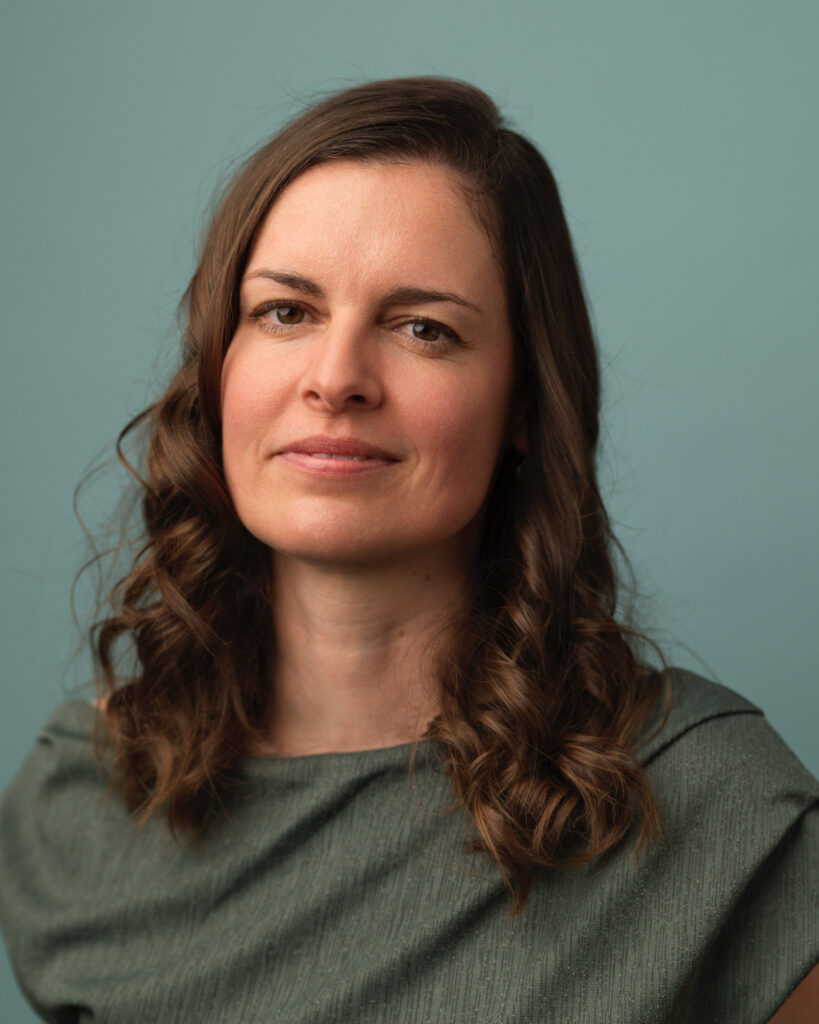
Your treatment journey is directed by Dr. Saskia H. Kloppenburg Vieth, a Consultant in General Internal Medicine and a leading authority in integrative oncology. This level of medical leadership is vital for patients navigating the complexities of advanced cancer care, polypharmacy, and the delicate intersection of conventional and complementary medicine.
Dr. Saskia serves as a senior physician at the Royal London Hospital for Integrated Medicine (RLHIM), part of the University College London Hospitals NHS Foundation Trust. As Europe’s premier public sector center for integrated medicine, the RLHIM is at the forefront of treating complex, chronic conditions through a rigorous, evidence-based synthesis of conventional and complementary therapies.
True integrative care requires more than just an "open mind"—it requires specialized clinical judgment. Dr. Saskia’s expertise spans:
By grounding holistic care in a framework of risk-aware decision-making, Dr. Saskia ensures that your path to wellness is as safe as it is comprehensive.
The Structured Approach: To see how this expertise translates into a physical roadmap, review your Personalised Care Plan.
Clinical Clarification: For immediate answers regarding safety and methodology, visit our Integrative Cancer Care FAQs.
We only communicate with your oncology team with your consent. Consent keeps you in control of what is shared and why. Where appropriate, we can provide a concise note describing the supportive plan, safety considerations, and timing guidance.
If you want to see what a plan looks like end-to-end, read your personalised care plan. If you prefer practical detail first, visit integrative cancer care FAQs.
Book a consultation to review your treatment schedule, symptoms, medications and supplements, and priorities. We’ll create a plan that’s clear, safety-checked, and designed to support you alongside oncology care.
Before you book, you may also want to read safety, governance & consent.

Complementary therapies should be considered in context of your oncology plan and safety profile. If you’re exploring options, these hubs provide detail:
The Emotional Impact of a Cancer Diagnosis A cancer diagnosis can be an incredibly overwhelming and frightening experience, leaving individuals […]
The possible ability of high doses of vitamin C to improve the treatment and prognosis of cancer patients is an […]
Vitamin C, an effective antioxidant, has been known to aid with various medical conditions. It may be especially beneficial for […]
What Is Vitamin Deficiency? Vitamin deficiency occurs when the body does not have enough of certain vitamins. This can happen […]
Increasing research is starting to show the myriad of anticancer properties, such as targeting vulnerabilities many cancer cells share, such […]